
How Indian SMEs are Cutting SaaS Clutter with One Unified Business Website Workspace
For many Indian small and medium enterprises (SMEs), managing multiple SaaS tools has become a daily headache. From juggling separate apps for customer management, content publishing, billing, and chat support, the operational overhead is mounting. The fragmented workflow not only drains budgets but also fragments data and slows decision-making.
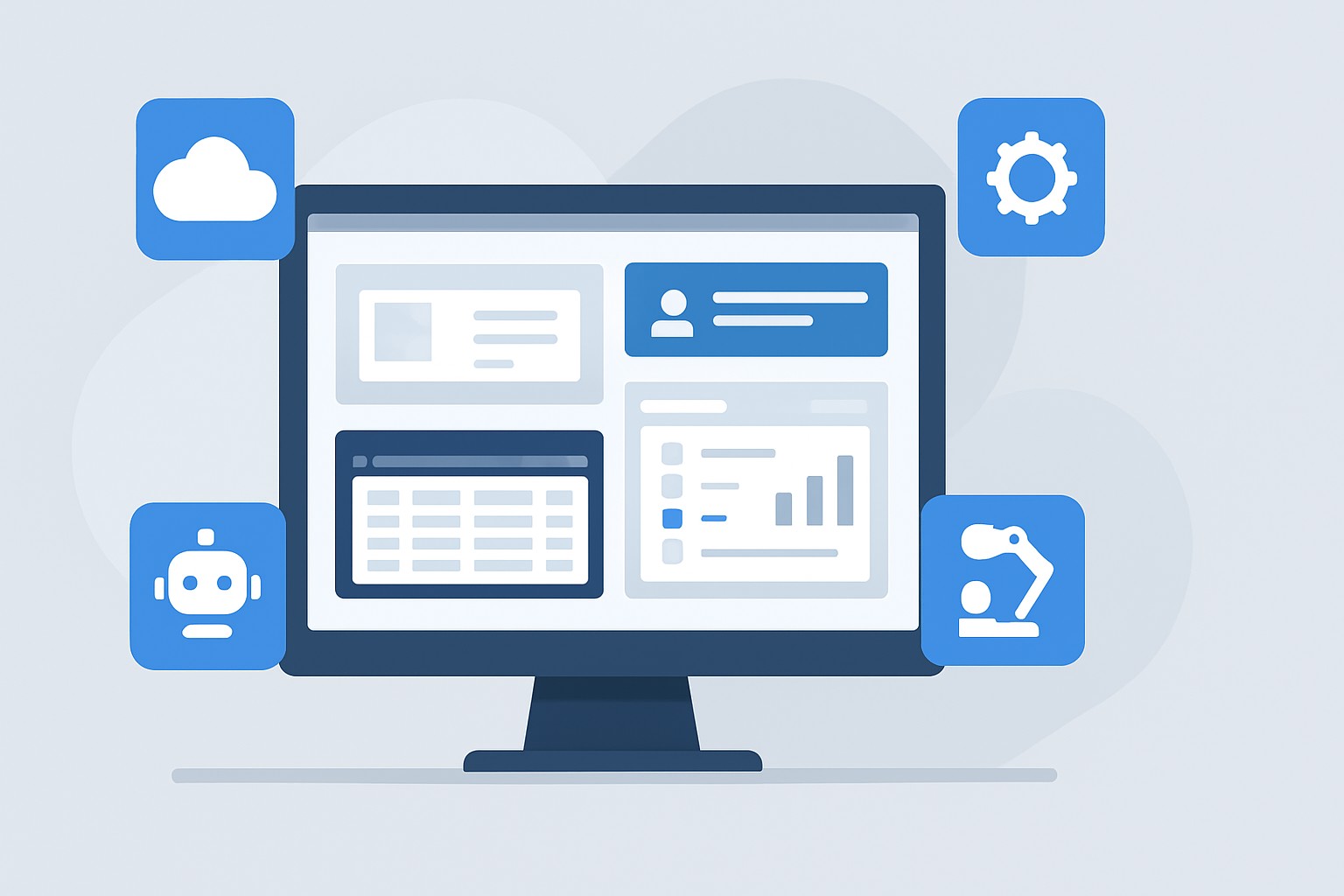
Today, a growing number of forward-thinking SMEs are sidestepping this complexity by consolidating their digital operations into a single, centralized business website workspace. This approach integrates essential functions—CMS, CRM, ERP, chatbot, and marketing automation—under one roof. Let’s explore why this shift is happening, what it means for digital transformation among Indian SMEs, and how it tangibly reduces SaaS tool sprawl.
Why Multiple SaaS Apps Are a Growing Liability for Indian SMEs
Indian SMEs typically rely on an assortment of SaaS platforms—Zoho or HubSpot for CRM, Shopify or WooCommerce for eCommerce, separate billing or GST tools, dedicated chatbots, and standalone blog automation. While each excels at its niche, the combined impact is often counterproductive:
- Rising Costs: Multiple subscriptions add up fast, eating into tight margins.
- Data Silos: Customer data, inventory, billing, and marketing exist in isolation, making unified insights impossible.
- Operational Friction: Switching between apps wastes time and invites errors.
- Training Burden: Staff must master several platforms, reducing productivity.
For SMEs aiming to scale or improve digital presence, this tool sprawl is a bottleneck that blunts growth.
Centralized Business Website Workspace: What It Means
Instead of stitching together disconnected SaaS apps, a centralized business website workspace provides a unified platform where core business workflows converge. It typically includes:
- AI-Powered Website Builder: No-code tools to create and manage dynamic websites and catalogs without relying on external web developers or templates.
- Headless CMS: A flexible content management system that decouples content from presentation, enabling easy updates and multi-channel publishing.
- CRM and ERP Automation: Integrated customer data management, inventory tracking, billing (including GST compliance), and order processing.
- AI Chatbot for Website: Automated customer support, lead capture, and knowledgebase-driven assistance linked directly to company data.
- AI Content and Blog Automation: Tools to automate SEO-optimized blog publishing, social media assets, and marketing copy to drive organic growth.
This convergence eliminates redundant data entry and manual handoffs, speeding up operations and freeing teams to focus on growth.
Real-World Example: A Local Retailer’s Journey
Consider a mid-sized fashion retailer in Bengaluru who previously used five different SaaS tools: Shopify for eCommerce, Zoho CRM, a separate blog platform, a billing service for GST, and a chatbot plugin. Managing inventory updates, customer queries, and content creation required toggling between dashboards and manual syncing.
By migrating to a centralized workspace with integrated AI website building, CRM, ERP, and chatbot, this retailer:
- Reduced SaaS subscriptions by 60%, saving ₹20,000 per month.
- Automated GST-compliant billing linked directly to sales.
- Deployed a chatbot trained on product catalogs and policies, cutting customer response time by 50%.
- Launched an AI-driven blog that boosted local SEO and foot traffic.
This unified approach simplified workflows and improved bottom-line visibility.
Comparing Legacy Workflows with Agentic Automation
| Aspect | Legacy Disconnected Apps | Centralized Business Website Workspace |
|---|---|---|
| Platform Count | 5+ separate SaaS subscriptions | 1 unified platform integrating all key functions |
| Data Management | Isolated silos, manual syncing | Single source of truth with real-time updates |
| Operational Efficiency | Manual handoffs, switching costs | Automated workflows, unified interface |
| Cost | High cumulative subscription fees | Lower total cost with bundled pricing |
| Customer Experience | Delayed responses, inconsistent data | Instant AI chatbot support, seamless engagement |
| Content Publishing | Separate blog and social tools | Integrated AI blog automation and SEO optimization |
Frequently Asked Questions (FAQs)
What kinds of apps are Indian SMEs replacing with centralized workspaces?
Typically, SMEs are moving away from standalone SaaS tools for CRM, billing (including GST compliance), content management, chatbots, and blog automation, replacing them with an integrated business website platform.
How does a centralized business workspace reduce costs?
By consolidating multiple subscriptions into one platform, SMEs avoid overlapping fees and reduce administrative overhead, resulting in significant savings on SaaS expenses.
Can AI-powered chatbots replace customer support teams?
AI chatbots can handle routine queries and lead capture efficiently, allowing human agents to focus on complex issues, improving overall service quality and response times.
Is technical expertise required to adopt a centralized workspace?
Modern no-code and AI-powered platforms enable SMEs to deploy and manage their workspace with minimal technical skills, supported by intuitive interfaces and automation.
The LaysanX Action Plan
For Indian SMEs aiming to cut through SaaS clutter and accelerate digital transformation, LaysanX offers a turnkey business website workspace integrating AI website building, CRM/ERP automation, AI chatbots, and dynamic content management—all from one dashboard.
Deploy your workspace instantly for just ₹199/Month. Enjoy 0% platform sales commission splits and retain 100% of your operational business margins risk-free with our 7-Day Refund Guarantee.
Ready to simplify your workflows and scale smarter? Get started with LaysanX today and experience the power of unified automation tailored for Indian SMEs.